

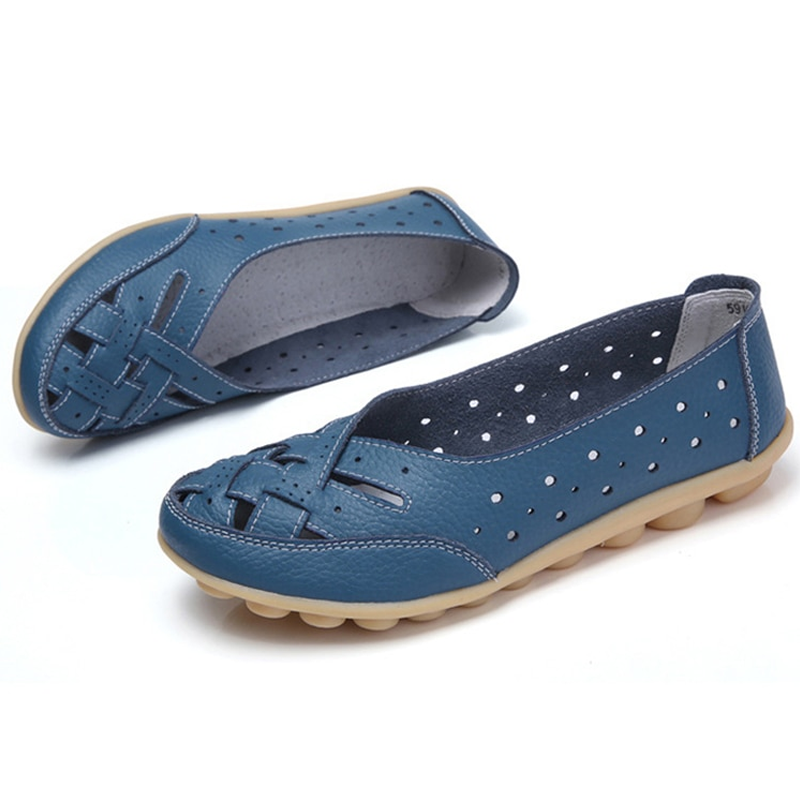
An office shoe change is useful when the journey and the workplace call for different footwear. It is less useful when the spare pair is uncomfortable, forgotten or stored somewhere inconvenient. Before a September routine settles in, decide what the second pair is meant to do and where it will live.
This guide concerns ordinary office outfit planning. Workplaces with safety-footwear requirements need footwear that meets those requirements; a casual loafer or moccasin is not a substitute for protective equipment.
Identify the difference between the two settings
Write down why you want to change shoes. Perhaps you prefer one pair for a particular commute and another with your office clothes. Perhaps the workplace has a specific dress expectation. Be clear about the reason before buying.
If your current pair already suits both settings, a spare may add more handling than value. There is no rule that every office worker needs two pairs each day.
The Comfy Slipony Moccasins and Comfy Flat Slip On Sneakers are different casual options. Their category names do not establish suitability for every workplace or walking route.
Check the dress expectations directly
Use your employer's current guidance or ask the appropriate person if you are unsure. Do not assume a shoe qualifies as business casual because an online article uses that phrase.
Then try the candidate with the trousers, skirt or other work clothes you actually wear. A shoe that works with only one outfit may be less practical as a permanent office spare than you first expect.
Our moccasin, loafer and slip-on comparison explains the broad style differences. The office decision adds the rules and clothing of your specific workplace.
Make storage part of the choice
Check whether you have permission and space to store footwear. A pair beneath the desk should not obstruct walking, cleaning or emergency access. Shared workspaces may not offer permanent storage at all.
If the shoes travel with you, use a suitable separate container so soles do not contact clean items. Consider the extra volume in your normal bag before committing to a bulky arrangement.
Do not leave damp footwear sealed and forgotten. Follow the product's care and drying instructions, and take it home when the office does not provide an appropriate place for that process.
Test the change on a normal day
Choose a day without a rushed meeting and follow the full sequence: arrive, change, store the first pair, work and change again if needed. Notice where the plan becomes inconvenient.
If you regularly forget the office shoes, consider whether they should remain in an approved storage place or whether the two-pair plan is unnecessary. If you dislike wearing them for ordinary office movement, do not keep them just because they look suitable under the desk.
Check fit with the socks or liners you intend to use. A spare pair should not be the pair that failed to fit well at home.
Review after the first few uses
Keep the arrangement only if it makes the day easier. You may find that one versatile, appropriate pair is enough, or that a carefully chosen office spare genuinely improves the transition between settings.
The goal is a workable September routine, not an expanded footwear collection. Choose from the needs of your commute, your workplace and your own comfort preferences, then make the storage and care simple enough that you will follow through.